
NMC Celebrates Indigenous Garden Opening with “Plant and Feast” Gathering
NMC Celebrates Indigenous Garden Opening with “Plant and Feast” Gathering
Nelson McIntyre Collegiate (NMC) welcomed students, staff, families, and community members on May 29 for the opening of its Indigenous Garden, marked by a vibrant afternoon event titled Plant and Feast. The gathering brought together ceremony, learning, and celebration, reflecting the school’s ongoing commitment to relationship, culture, and community.
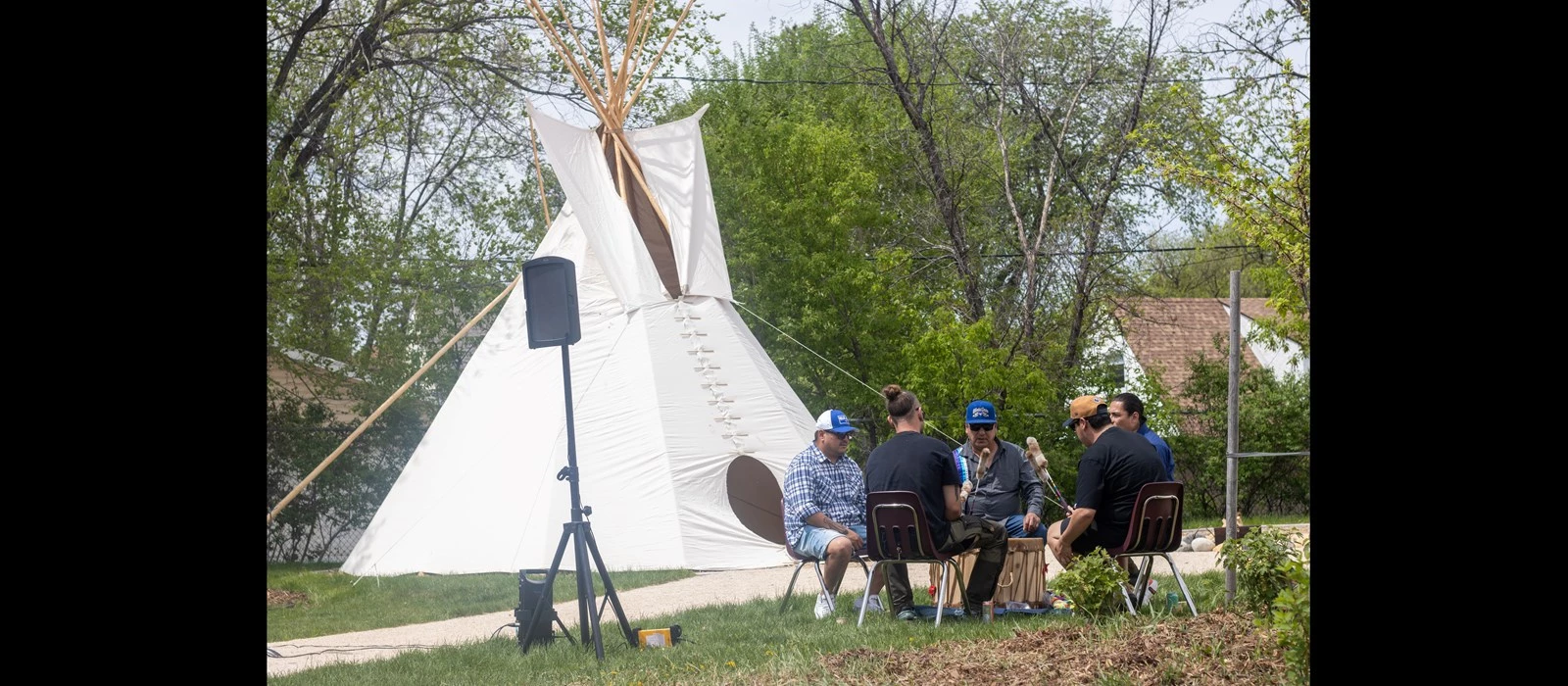
The event began with an opening ceremony that invited attendees to “gather together… for the opening of our Indigenous Garden — a space rooted in learning, relationship, culture, reflection, and community,” as outlined in the program script developed for the day. The ceremony included important cultural elements such as a land acknowledgement, an opening drum song, and the offering of tobacco—recognized as one of the four sacred medicines and shared as “a sign of respect, gratitude, and sincerity.”
Community members were welcomed alongside Knowledge Keepers, divisional leaders, and students, highlighting the collective effort and shared meaning behind the garden’s creation.
Following the ceremony, the school grounds came alive with a wide range of interactive activities designed to engage participants in hands-on learning and celebration. Activities included planting stations, cultural teachings, art, and food gathering spaces.
Students and guests participated in a planting station focused on the Three Sisters garden—corn, beans, and squash—located in the front garden boxes. These companion plants hold cultural teachings about interdependence and mutual support, reinforcing the garden’s role as a living classroom. In her opening remarks, Principal Kimberley Adair-Gagnon described the Three Sisters as a reminder that “we are stronger in community than we are alone.”
Additional stations provided opportunities for cultural learning and connection. A teepee teachings space invited participants to hear stories, while a sacred fire offered a place for reflection and intention setting through the offering of tobacco. Art stations allowed students to engage creatively through dot painting on rocks and wood, and outdoor spaces were filled with Indigenous games and fishing activities led by student groups.
Food also played an important role in the gathering. Community members shared fry bread, watermelon, soup, and stew, creating opportunities for connection and hospitality throughout the afternoon. These shared meals reflected the spirit of the event—bringing people together in a welcoming and inclusive environment. The afternoon was an opportunity for “community connection” featuring hoop dancers, drummers, and student activities.
The Indigenous Garden itself represents a broader vision for learning at NMC as the space is intended not simply as a garden, but as a place where culture, language, food, medicine, and community can come together in meaningful ways. It builds on the school’s Truth and Reconciliation Legacy Garden and reflects ongoing efforts to create spaces of belonging, reflection, and experiential learning.
Staff and students played a central role in bringing the project to life, supported by community members and partners. The work of preparing, planting, and organizing the event was a collective effort grounded in care, collaboration, and shared purpose.
As the afternoon concluded, the energy of the gathering remained evident across the school grounds—through planted seedlings, shared meals, and moments of learning and connection. The opening of the Indigenous Garden marked not only the completion of a physical space, but the continuation of an ongoing commitment to reconciliation, community, and land-based learning at NMC.