

Homestay FAQ
Who can host an international student?
If you live in the Louis Riel School Division catchments (St. Vital or St. Boniface neighbourhoods), you are eligible to join the homestay program. To participate, your home must meet specific requirements, which you can find here.The LRSD Homestay Program looks for individuals and families who want to:
- Experience new cultures
- Share their Canadian or home‑life traditions
- Be a positive and supportive adult in a young person’s life
How long will students be assigned to my home?
Students' stays vary, depending on their program and your hosting preference. LRSD Go Global Programs range from 3‑month stays, to one semester, to a full academic year. When you complete your homestay application, you can indicate your preferred hosting duration so we can make the best possible match for your family.How old are the students?
Students typically join the program between Grade 10 and Grade 12, and sometimes Grade 9. This means they are generally 15 to 18 years old.From what countries are students visiting?
LRSD Go Global has welcomed students from more than 30 countries across South America, Europe, Asia and Africa. Most of our students join us from Brazil, Italy and Spain as well as Mexico, Colombia, Germany, Vietnam, China, Japan, and Ivory Coast.How are homestays compensated?
As a homestay, you receive a monthly stipend to offset the expenses of hosting international students, including costs such as meals, utilities and day-to-day household items and needs that come with welcoming a student into your home.How are international students matched with a homestay family?
Every homestay and every student is unique, so the matching process is thoughtful and personalized. The homestay application includes specific questions that help the Homestay Coordinator understand your family’s routines, interests, and preferences. Students also share information about themselves through their application and a personal letter describing their personality, hobbies, and goals. These details help LRSD Go Global make strong matches. For example, if a student loves music and plays a musical instrument, we will try to match the student with a homestay family that also enjoys music or plays an instrument. Personalized matches allow for strong bonds and authentic experiences.What other placement considerations are made when matching students and families?
Placement considerations also include:- Proximity to school. The home should be located within walking distance, or less than 30 minutes including a bus.
- Dietary needs, allergies, and medical considerations.
- Preferences regarding student gender and number.
- Family dynamics and household pets.
Can I take the student to my cabin, camping or travelling?
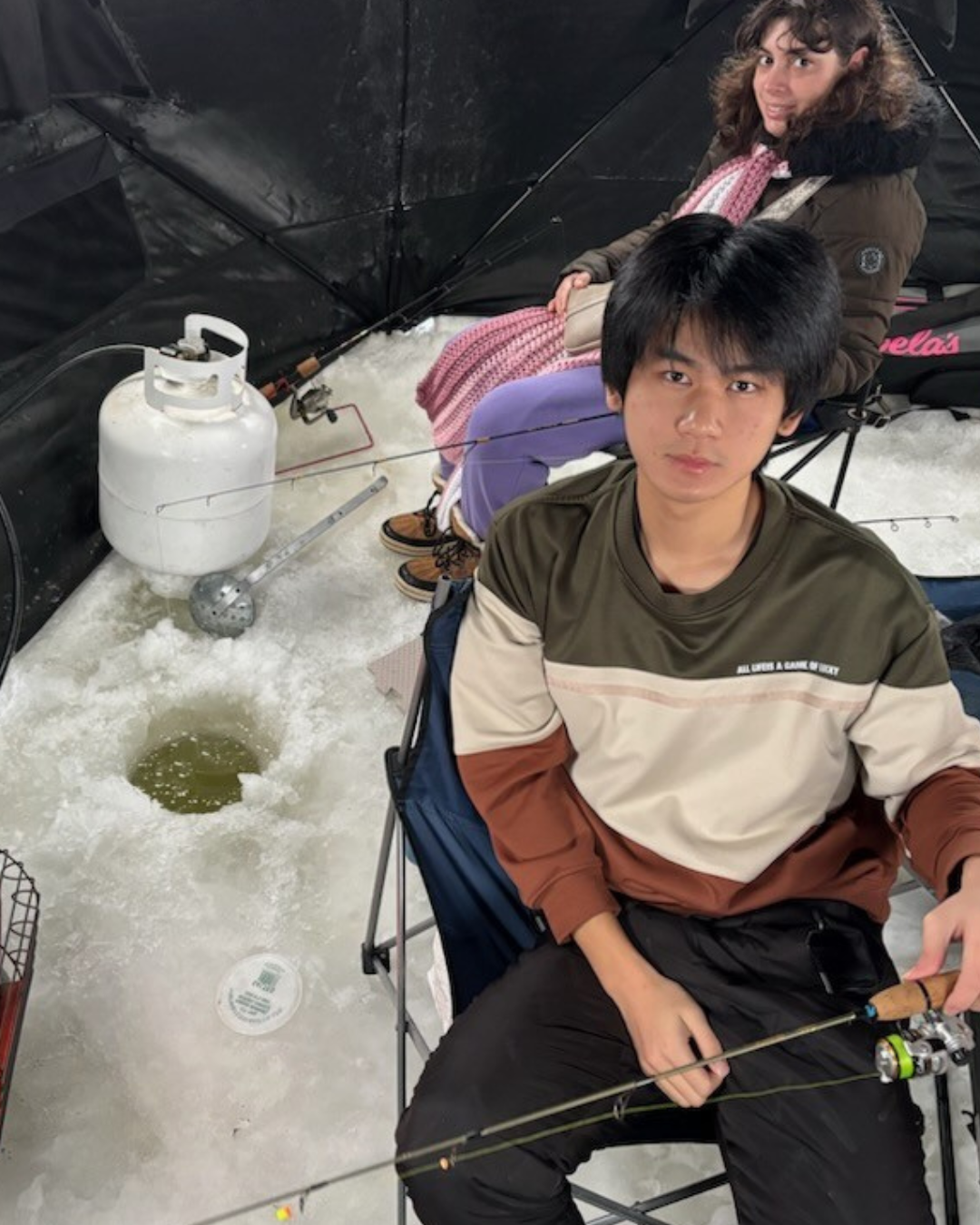
Absolutely you can and this is encouraged! Including students in your day-to-day life, whether that’s a cabin weekend, a camping trip, or travel, helps create memories that last a lifetime. Students are eager to explore and look forward to these opportunities during their homestay experience. For travel outside of Manitoba, students must have permission from their natural parents. The process to seek permission is straightforward and supports safe, flexible mobility.What happens if there is a family emergency and I can no longer host a student?
LRSD Homestay Program has respite families available to support unexpected situations. If you are unable to continue hosting due to a family emergency or other circumstances, a respite homestay will welcome the student into their home to ensure continuity and care. Respite is also available if you are travelling and cannot bring the student with you. Students cannot stay home alone overnight, so they will stay with a respite family until you return.Do I need special insurance to be a homestay?
Please contact your insurance provider to understand how hosting a student may affect your policy and whether any updates are needed.As a homestay, what are my required responsibilities?
Your main role as a homestay is to provide a safe, stable, positive and comfortable environment. This includes offering daily care, helping students navigate Canadian life, and create opportunities for cultural experiences.Daily Care means:
- A clean home with a fully furnished private room (bed, dresser, closet, workspace, adequate lighting)
- Doors and windows meet safety codes
- Three meals a day plus reasonable snacks
- Accessible laundry facilities, reliable Wi-Fi and a quiet place to study
- House key and/or alarm code
- Commitment to confidentiality
Navigating Canadian life means:
- Offering ongoing support and interaction
- Staying open-minded & familiarizing yourself with cultural differences (i.e. food, greetings, bathroom etiquette)
- Giving a tour of your home and showing them how everything works
- Being available when needed (call or text)
- Speaking English at home to encourage language development
- Contacting the school if the student is sick or will be absent
- Taking the student to the doctor when needed (students have their own personal health insurance)
Offering cultural experiences means:
- Engaging students in experiences that showcase life in Winnipeg, Manitoba and Canada, such as:
- Winnipeg: The Forks, WAG‑Qaumajuq, Rainbow Stage, sporting events, Assiniboine Park Zoo
- Manitoba: Festival du Voyageur, Narcisse Snake Dens, Gimli, Manitoba Museum, Prairie Central
- Canadian: Canadian Museum for Human Rights, national parks, Lower Fort Garry, St. Boniface
- Cooking or baking together, watching movies, going to restaurants, or trying local activities (free or paid)
- Include students in your celebrations, such as baby showers, birthday parties, holidays, and other family traditions.
What can I expect from my international student?
Students are expected to follow all LRSD International Student Program rules and guidelines. This includes:- Attending school every day
- Following curfew (Sunday–Thursday: 10 p.m.; Friday–Saturday: 12 a.m.)
- Abstaining from alcohol and recreational drugs
- Not driving motorized vehicles or holding a paid job
Students must also respect your home and guidelines, such as:
- Keeping you informed of their whereabouts
- Contributing to family life by helping with chores and participating in activities
- Planning ahead and communicating about sleepovers or social events
- Communicating openly about mistakes or accidents
- Respecting reasonable home‑specific rules
What supports are available from LRSD Go Global and the Homestay Coordinator?
Throughout the homestay experience, supports inlcude:- Recruiting, interviewing, and approving suitable homestay families
- Communicating regularly with host families and conducting home visits to ensure safety, compliance, and ongoing suitability
- Matching students with homestay families
- Providing orientation for both host families and international students
- Supporting conflict resolution between students and homestays
- Responding to off‑hours emergency calls
- Coordinating information‑sharing, including student and family details, expectations, and student arrivals and departures

 |  |  |