
CJS students find profound lessons in designing shelters for homelessness
Students at Collège Jeanne-Sauvé had the opportunity to learn what it takes to build homes, not just buildings, through an ambitious project for which they designed supportive housing for homeless individuals in Winnipeg.
Grades 10 and 11 students in the French immersion high school worked hard drafting blueprints and creating 3D models and virtual tours of transitional facilities. Working with SketchUp Pro and Enscape software, students designed complexes with 20 to 25 residential units, communal spaces and areas for support staff—all while considering the needs of vulnerable populations.
The project encapsulated teacher Kay Wojnarski's commitment to fostering both technical proficiency and empathy in her design and media classes. After inviting Justin Quigley from End Homelessness Winnipeg to speak with students about the complex causes of homelessness and the city's plans to expand supportive housing, Wojnarski screened the documentary Someone Lives Here, which followed an Ontario carpenter's efforts to shelter people in tiny homes.
Students then analyzed satellite imagery of 75 Poseidon Bay, one of several city-owned properties selected for rezoning to build affordable housing with wraparound supports.
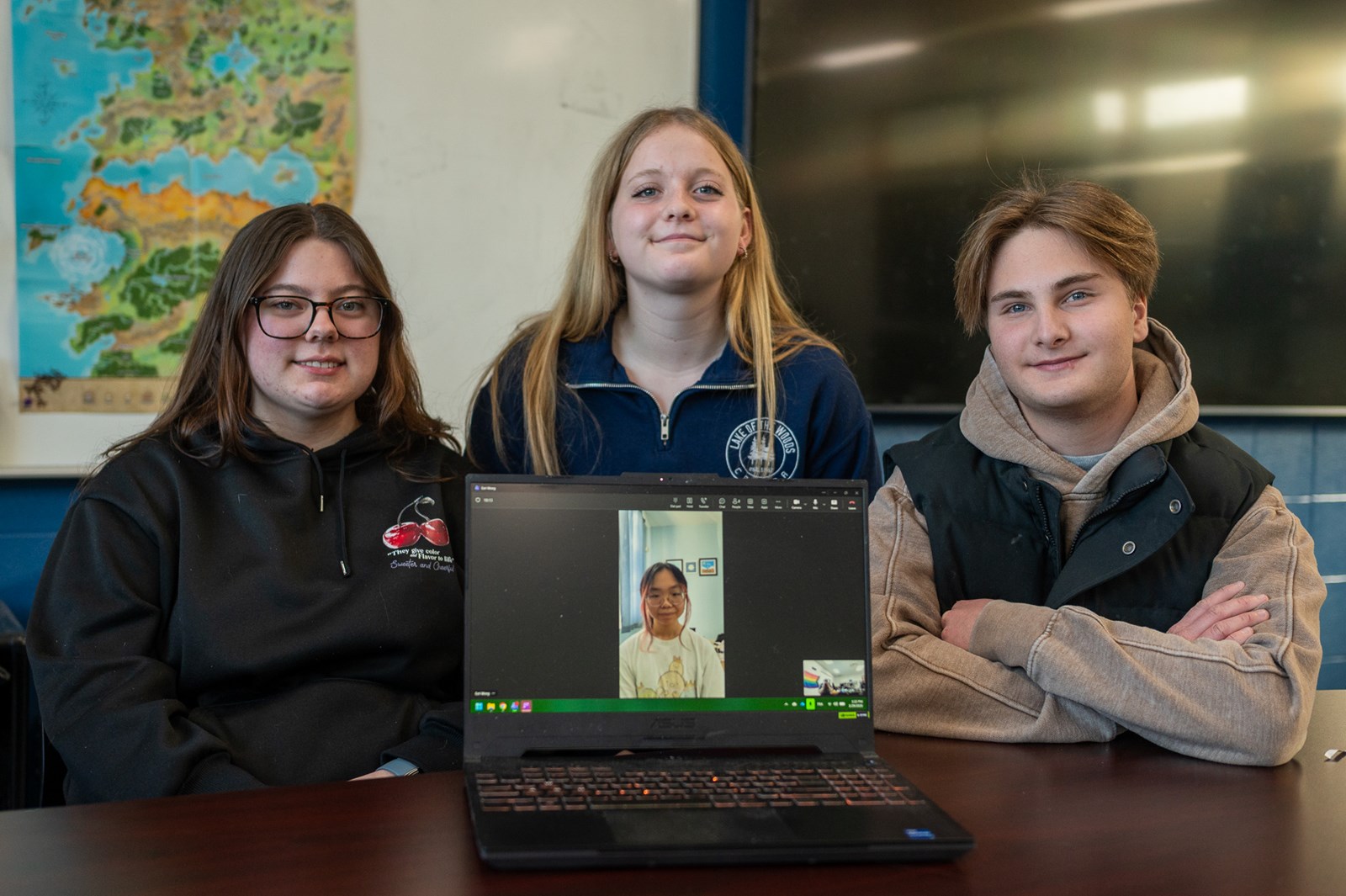
"We decided to include a lot of community-based activities," said Grade 10 student Sarina Ramuscak. "So, we added a library, a game room, a kitchen, a laundry room... we decided to add it to give a sense of community, because it's something you always need in your home."
The exercise revealed profound insights about human dignity and design. Student Taelon Trudeau focused intently on creating spaces that felt welcoming: "I really enjoyed playing with the colors and the design to make it feel more homey, and to make it feel like I would want to live here if I was in their shoes."
Mental health support proved central to student designs. Many groups incorporated counselor offices, recognizing that residents struggling with trauma would benefit from accessible mental health services. Accessibility itself emerged as a major consideration, with students designing elevators and inclusive spaces for wheelchair users and individuals with varying mobility needs.
The emotional weight of the work became clear as students grappled with their designs. "For me personally, I feel like we're all lucky to just have a roof over our head and not having to live in minus 40," Maddie Labuan said.
"When you're designing something for someone to live in,” said student Ezri Wong, “you have to think about their actual necessities and their needs, and what actual people would need to get out of a situation like homelessness."
The project garnered attention beyond the classroom, getting coverage in the Winnipeg Free Press, as well as being mentioned in End Homelessness Winnipeg’s January newsletter.
Wojnarski beamed with pride about her students' work, reflecting that the project had instilled in them a crucial lesson: that design is fundamentally about caring for others, and that the spaces we create speak volumes about the values we hold.