
Louis Riel staff deepen trauma-informed practice through TCIS training
Nov. 14, 2026
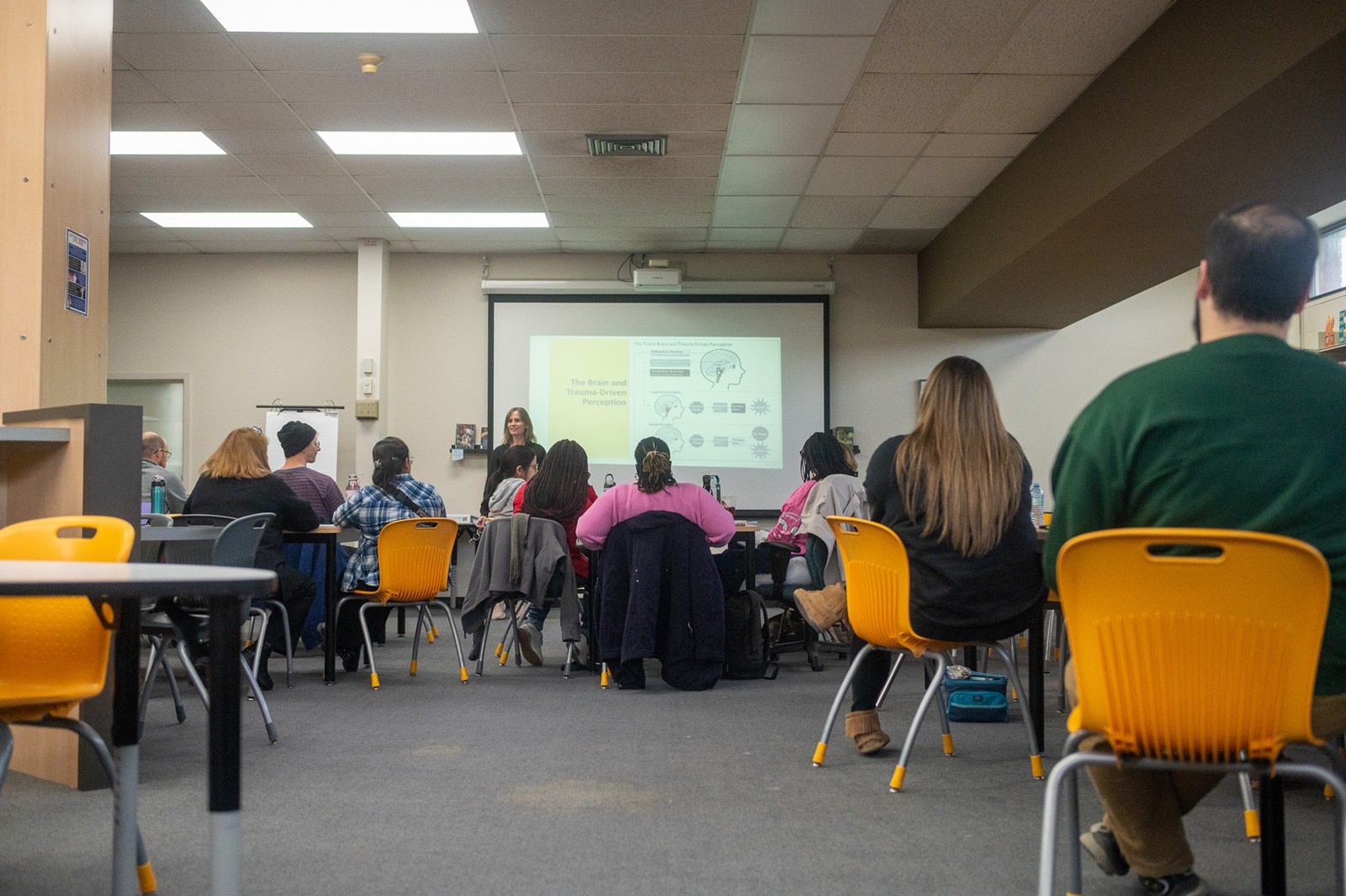
While students had a day off on Monday, Nov. 10, staff across the Louis Riel School Division were engaged in professional development focused on building safer and more supportive learning environments.
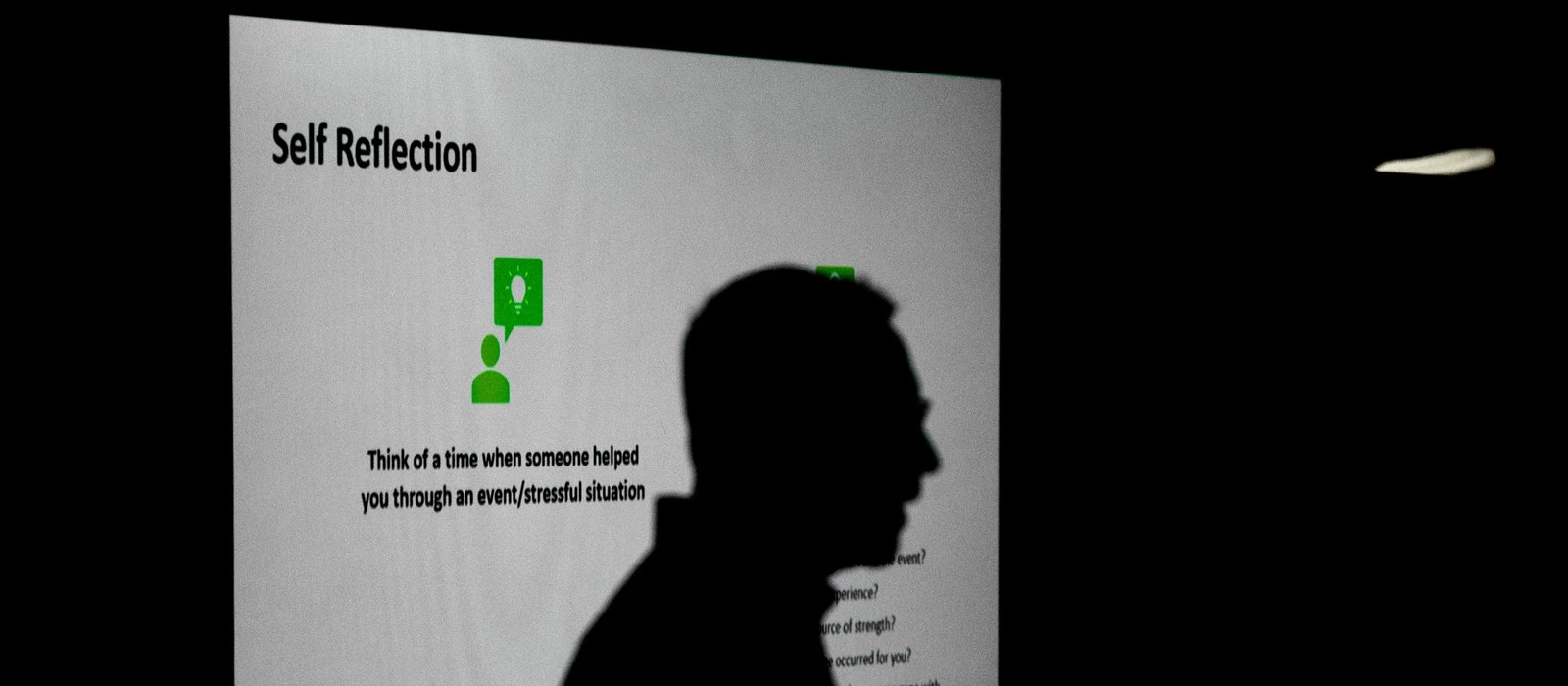
Staff took part in Therapeutic Crisis Intervention for Schools (TCIS) training, a trauma-informed system developed by Cornell University. The program equips school staff with strategies to understand behaviour, prevent crises and respond to distress in ways that promote safety, dignity and emotional growth.
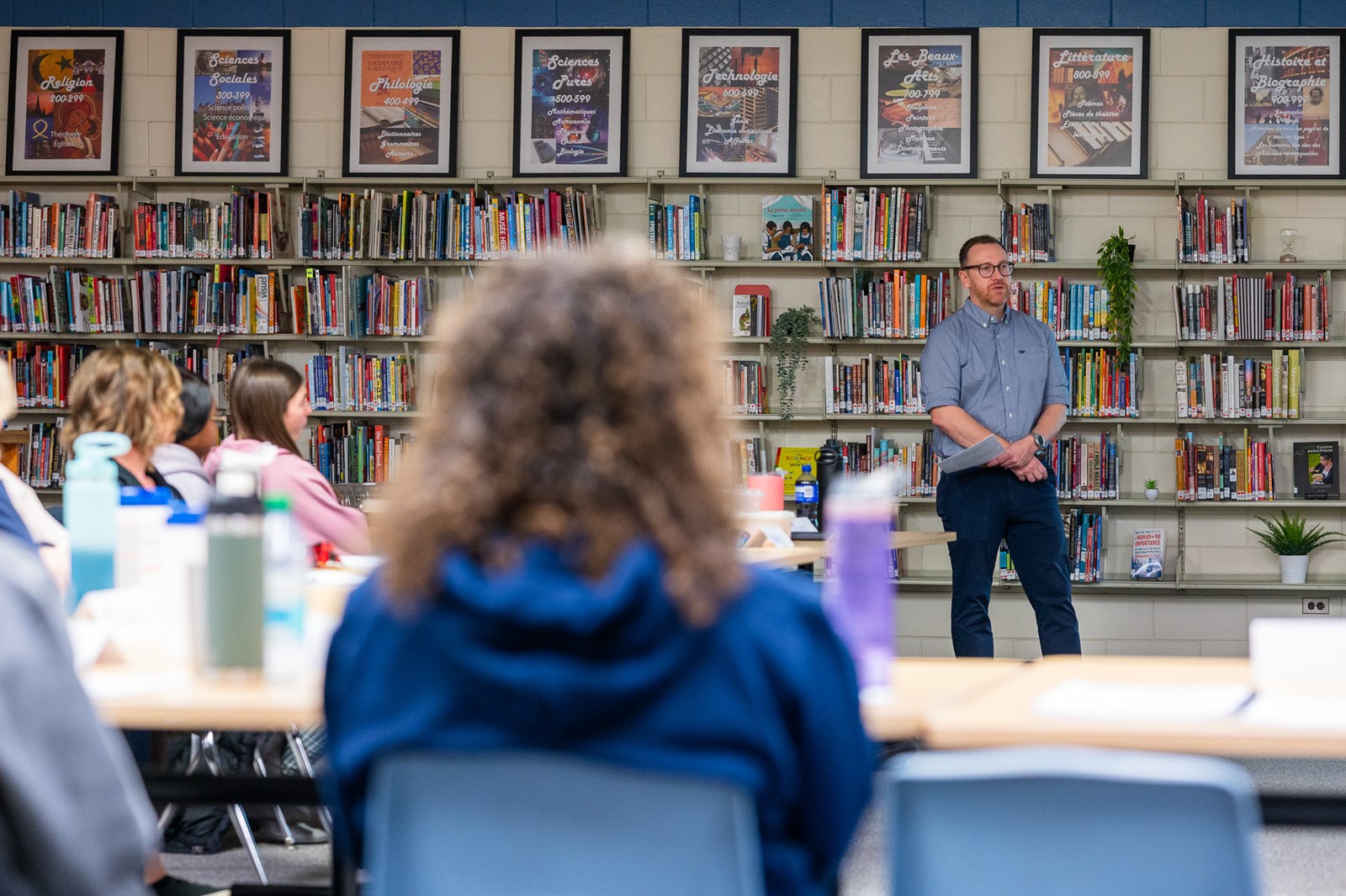
TCIS is grounded in the belief that behaviour is a form of communication, often shaped by stress or trauma. The training emphasizes the importance of relationships as the foundation for learning and healing. Staff were introduced to proactive approaches that prevent crises, de-escalation techniques to support students in distress, and restorative practices that turn challenging moments into opportunities for growth.
The division has been rolling out TCIS in phases to ensure consistency across schools. Principals, vice-principals and clinicians completed a three-day training session earlier this year to build leadership capacity. Student services teachers and educational assistants will participate in extended training sessions over the next two years, while all other staff — including teachers, custodians and administrative professionals — took part, or will take part, in one-day workshops led by school leaders.
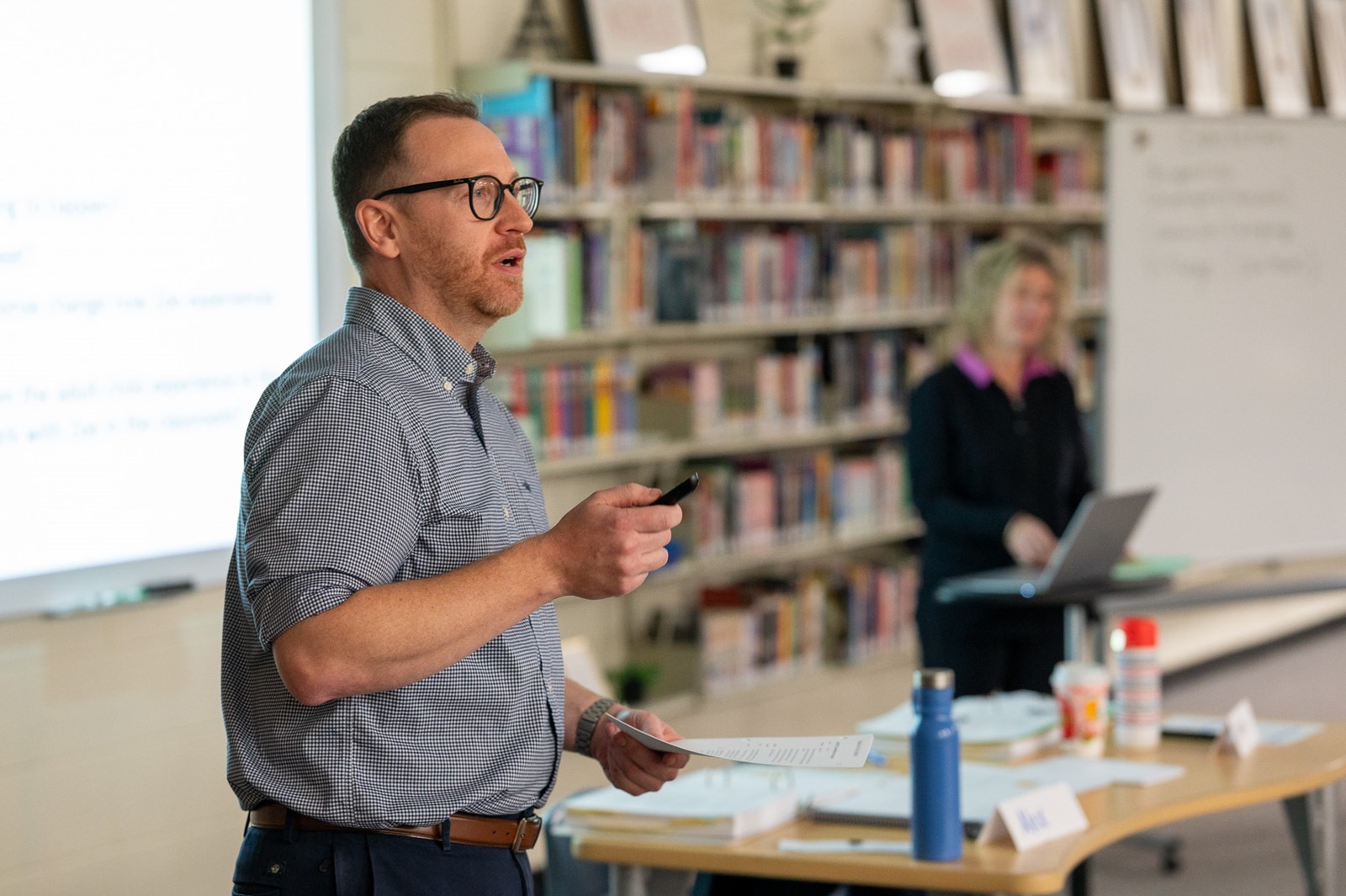
By adopting trauma-informed practices, the division aims to create trauma-sensitive learning spaces where students feel safe, supported and understood. Staff are learning to respond with empathy rather than punitive measures, building trust and helping students develop resilience and emotional regulation skills.
Professional development days like this are an important investment in our collective capacity. They ensure that every adult who supports children and youth is equipped to respond with understanding and skill.